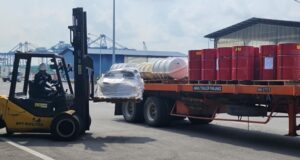
For decades, the rhythm of logistics in the oil and gas industry has been set by a persistent, costly cadence: the unscheduled truck movement. It’s the background noise of our operations—the radio calls about delayed arrivals, the urgent search for a last-minute hauler, and more.
The scene is familiar, and for decades, this has been accepted as an unavoidable, frustrating norm in the industry. This isn't just a "trucking problem." It's a systemic drain on efficiency, safety, and profitability that demands a strategic conversation.
Why Does This Cycle Persist?
The inertia behind unscheduled trucking isn't due to a lack of solutions, but a constellation of entrenched factors:
- Reactive ordering: Transportation is often booked last-minute without slot integration.
- Multi-vendor coordination: Dealing with multiple trucking service vendors, each with their own schedules and priorities.
- Lack of centralised slot management: Supply bases function as transit hubs without a master schedule for inbound/outbound logistics services.
- Cultural resistance: The mindset of "This is how it's always been done" holds significant power, often resisting change.
What If We Broke the Cycle?
Imagine a week at your primary supply base where every truck arrival and departure is known, visible, and synchronised with yard operations.
No frantic calls. No clogged gates.
The technology to enable this exists. The methodologies are proven in adjacent industries. The economic upside is clear.
The real challenge lies not in the technical or economic aspects but in organisational willingness.
What if the ultimate barrier to breaking the cycle of unscheduled movements is our collective readiness to redefine success?
Instead of managing chaos, what if we focused on eliminating it?
What would your operations look like if that cycle were broken?